Painters in Haddonfield, NJ
Painting a 19th century clapboard house in Haddonfield's historic district means scraping by hand and brushing every bracket and sill.
or call (609) 778-7451
Licensed & Insured · NJ HIC #13VH119538004.9 from 140+ Google reviews
Haddonfield has one of the finest sets of 19th century houses in Camden County. Its historic district, added to the National Register in 1982, covers about 203 acres around Kings Highway. Inside it you will find Federal, Greek Revival, Italianate, Second Empire and Queen Anne homes, most built during the 1800s. Many are wood frame with clapboard, deep cornices, porches and paneled shutters. The railroad brought Victorian houses on big lots, and the Delaware River Bridge, finished in 1926, turned leftover farmland into more homes. Houses like these need patient scraping, the right primer and careful brushwork on every bracket and sill.
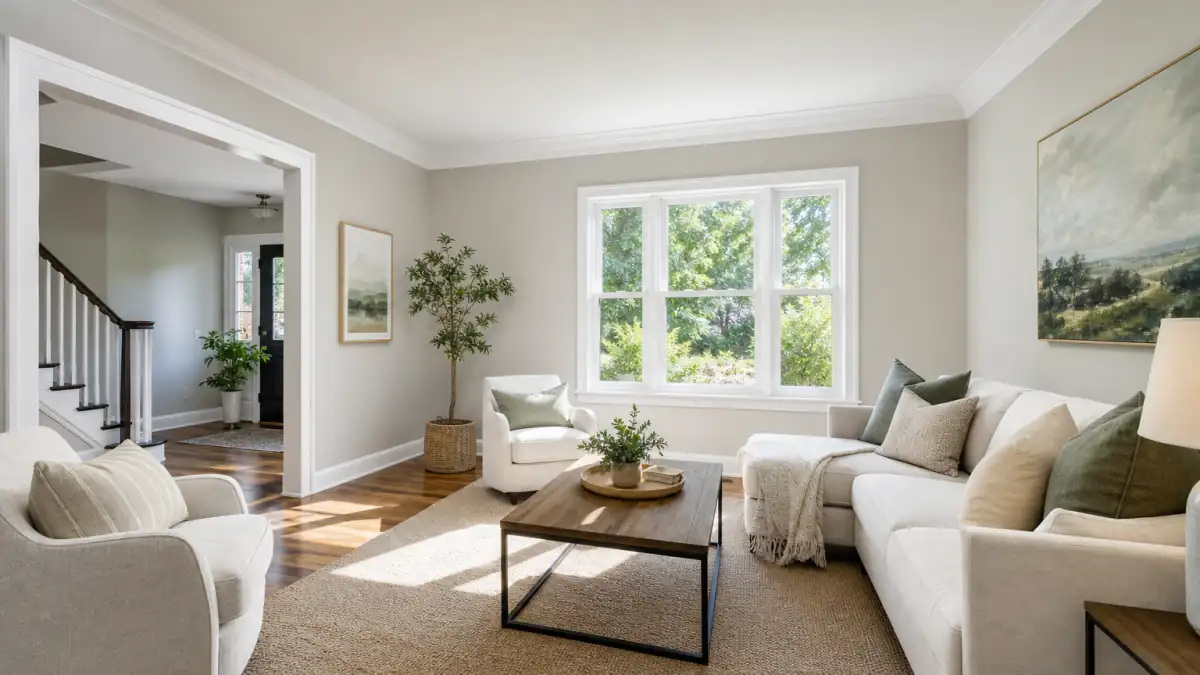
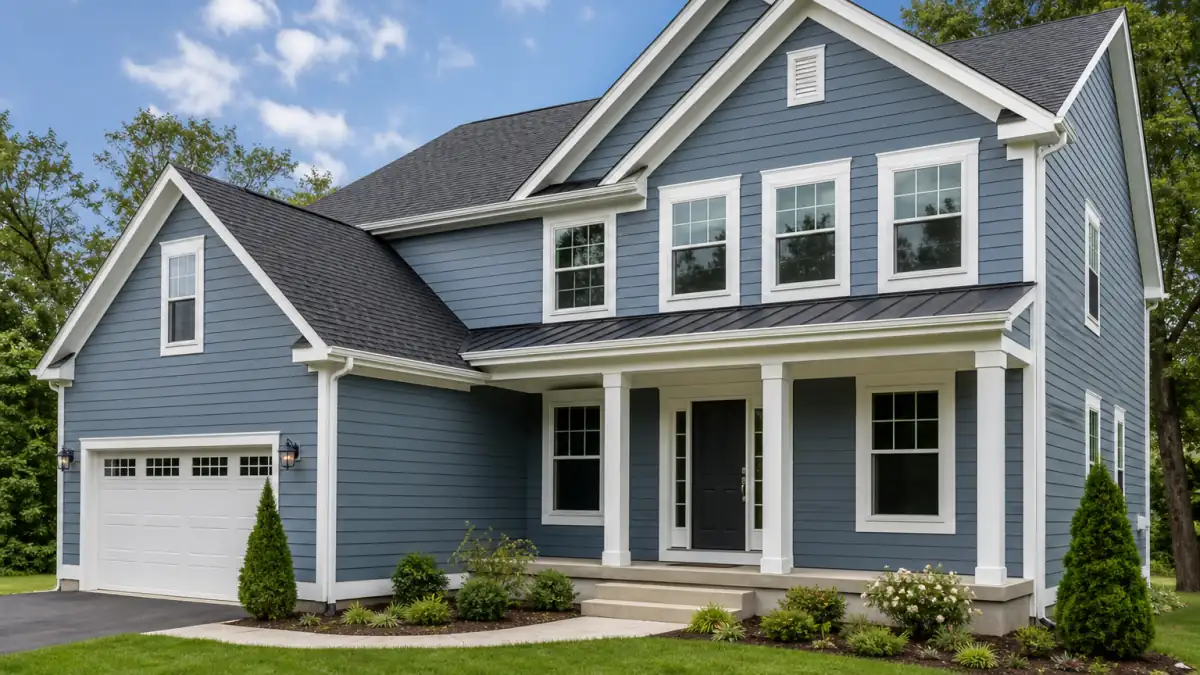
Inside, we do interior painting on plaster walls, tall baseboards, built-ins and stair rails. Outside, our exterior painting covers clapboard, porch ceilings, railings, window sash and shutters. You will see us on blocks off Potter Street, Warwick Road, Grove Street and Haddon Avenue, and we keep each job site neat for the neighbors.
Painting Needs in Haddonfield
Color is your call, materials are not
Haddonfield's Historic Preservation Commission does not regulate the color of a house, so a repaint in a new shade needs no HPC approval. Changing siding, roofing or other parts of the exterior look is different and requires a Certificate of Appropriateness. We paint the wood that is already there and do not swap materials. If your plans go further, the borough zoning officer can tell you what applies.
Plaster that has settled for a century
Most houses built before the 1930s have plaster walls, not drywall. As a house settles, plaster cracks over doorways and along corners. We open each crack, fill and tape it, sand it smooth and prime before color goes on. Seasonal movement can bring hairline cracks back, so we use flexible patch where it makes sense. You end up with smooth walls that still feel like an old house.
Brackets, cornices and paneled shutters
Italianate brackets, Queen Anne spindles and Federal cornices pack dozens of surfaces into every foot of trim. Decades of paint build up in the grooves and soften the shape. We hand scrape and sand, then brush instead of spray so the detail stays crisp. Shutters come down when they can, get prepped on sawhorses and go back up after the body color is done.
Front porches under big street trees
Deep front porches are a big part of how Haddonfield looks from the sidewalk. Their floors take foot traffic, and their rails sit out in every storm. Tall street trees keep many porches shaded and damp through humid summers, which leads to peeling. We clean, scrape and prime bare wood, use a porch and floor coating underfoot, and finish rails and columns in exterior enamel.
What We Do in Haddonfield
Our Painting Services in Haddonfield
Interior Painting in Haddonfield
Exterior Painting in Haddonfield
Commercial Painting in Haddonfield
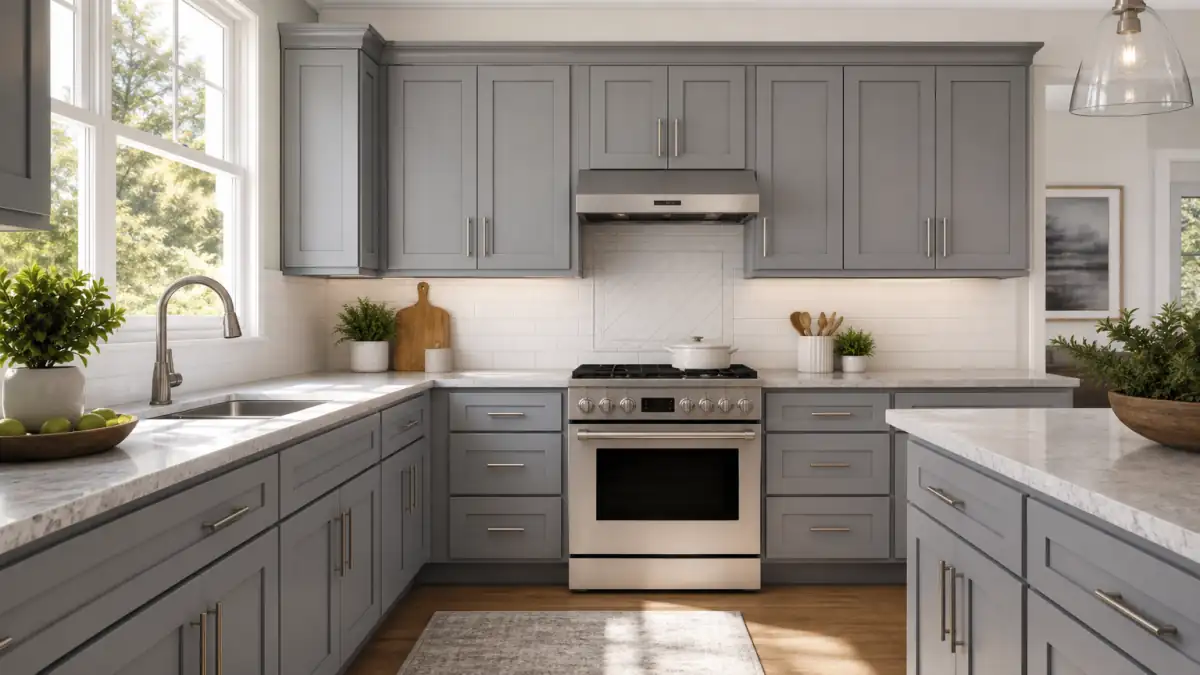
Cabinet Painting in Haddonfield
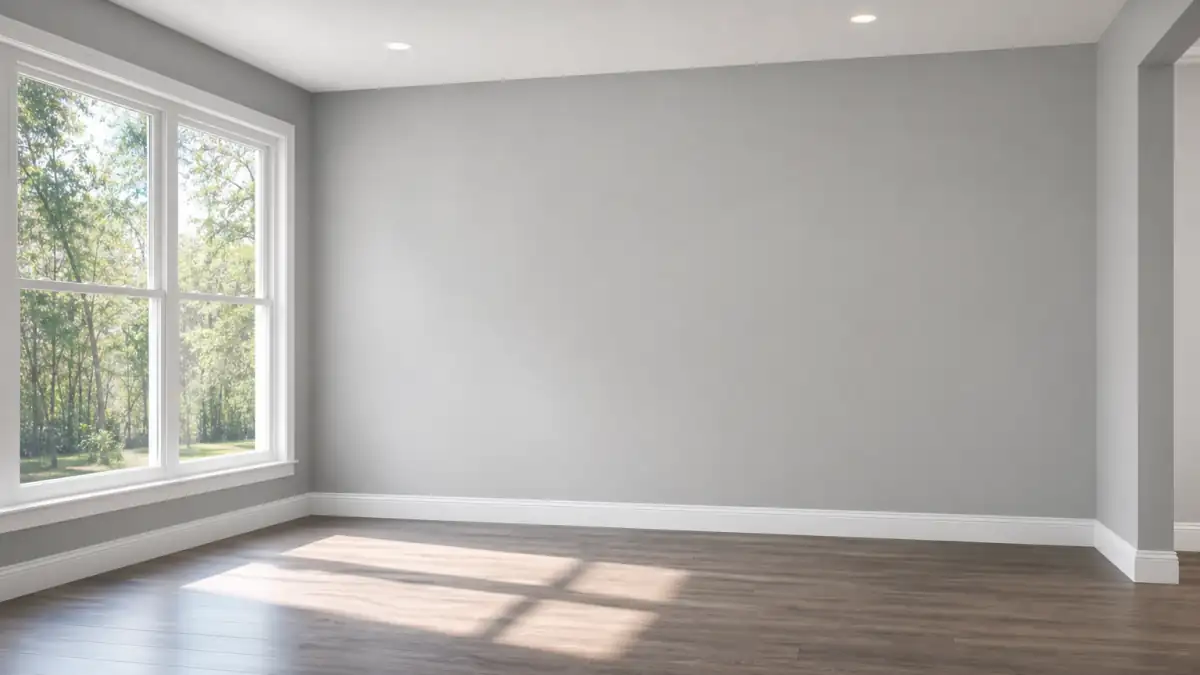
Drywall Repair & Installation in Haddonfield
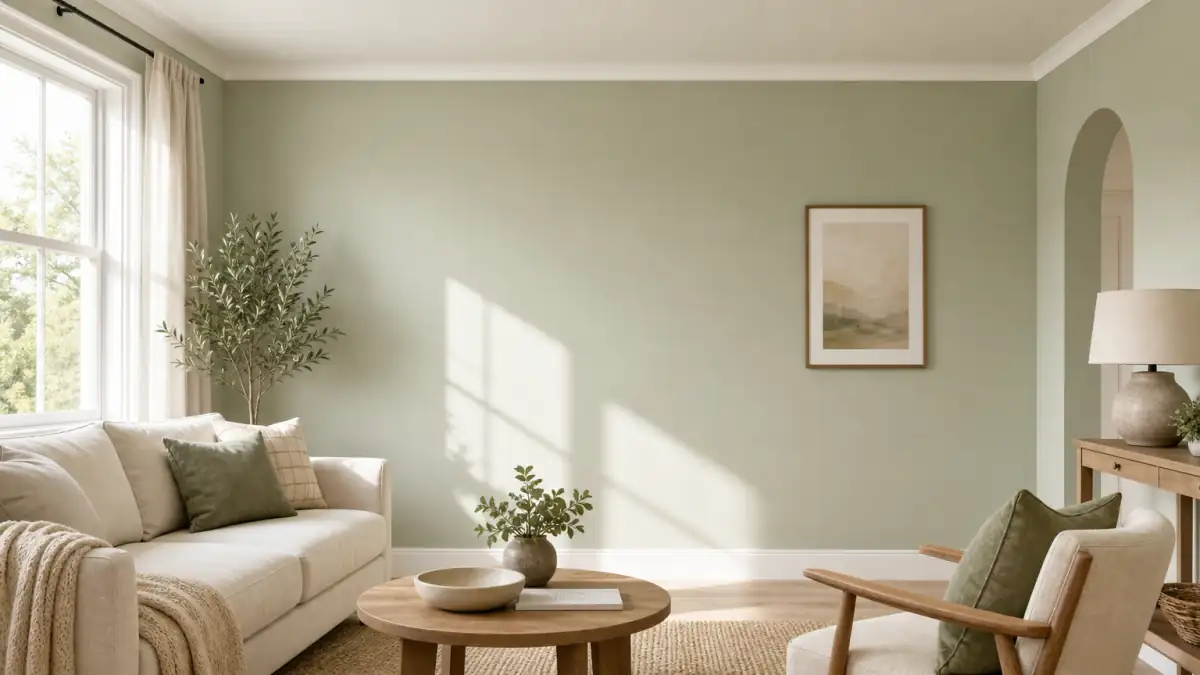
Wallpaper Installation in Haddonfield
Wallpaper Removal in Haddonfield
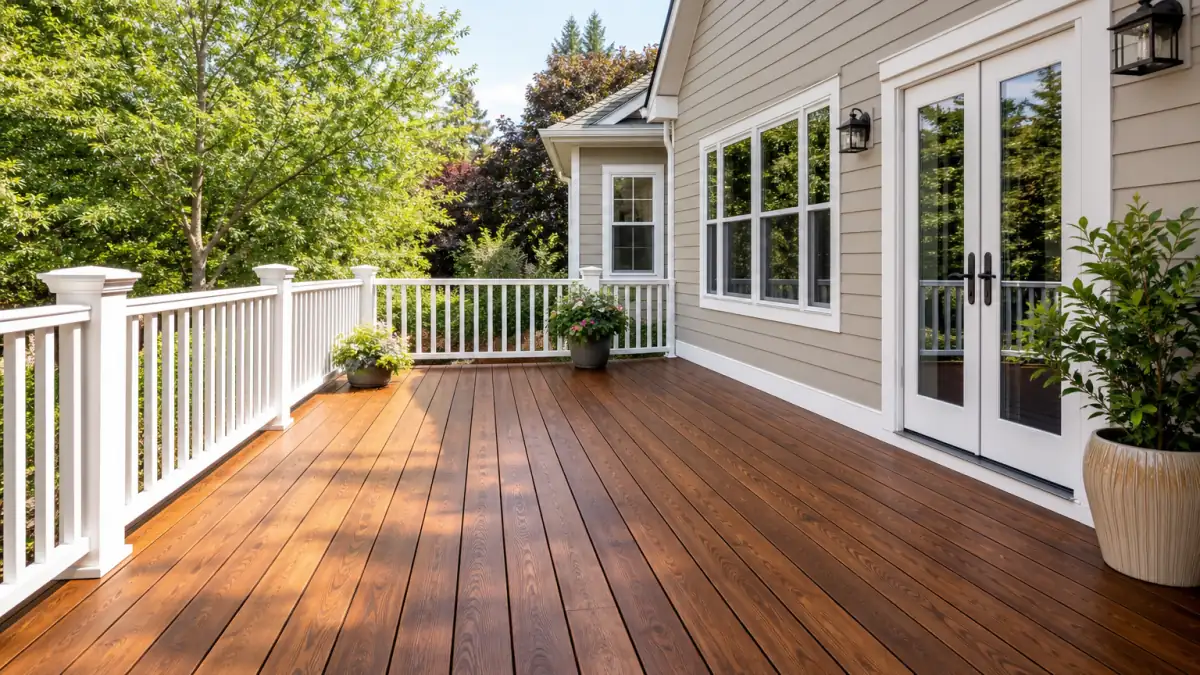
Deck Staining in Haddonfield
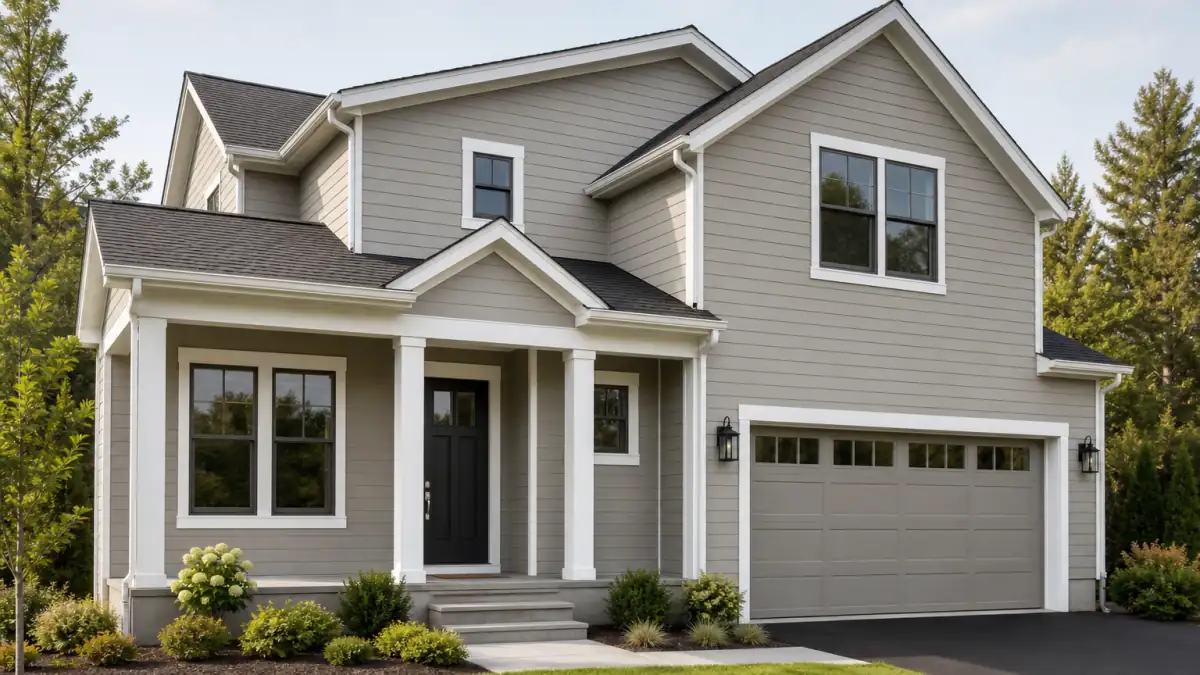
Siding Painting in Haddonfield
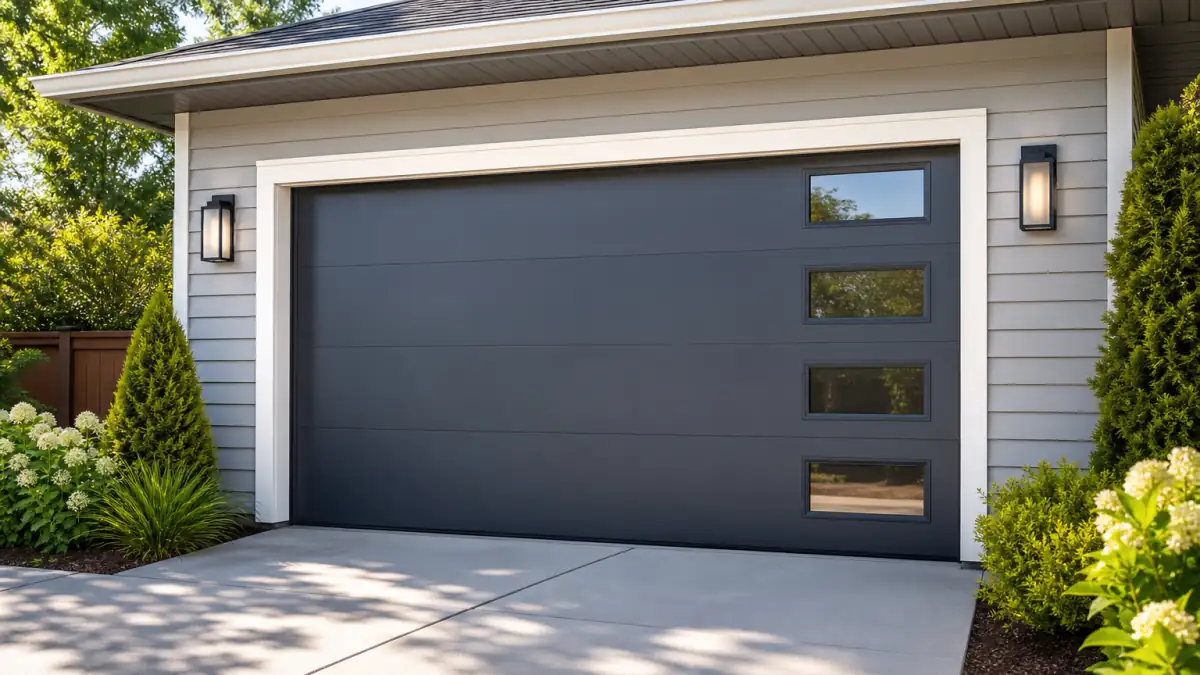
Garage Door Painting in Haddonfield
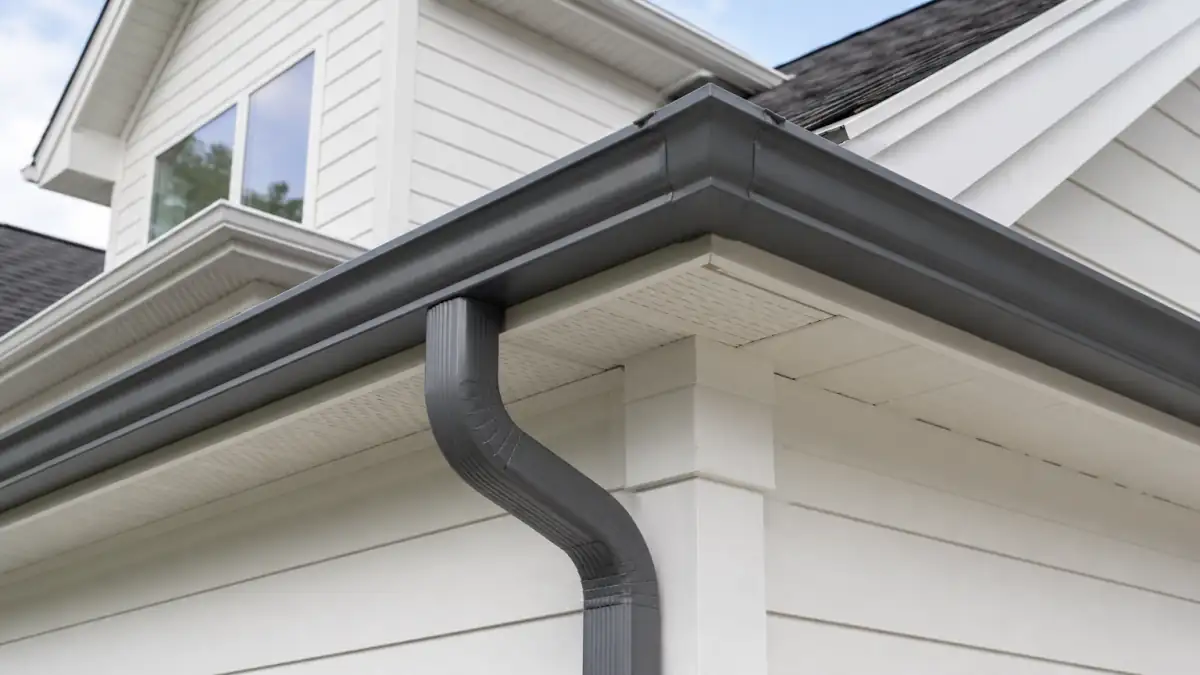
Gutter Painting in Haddonfield
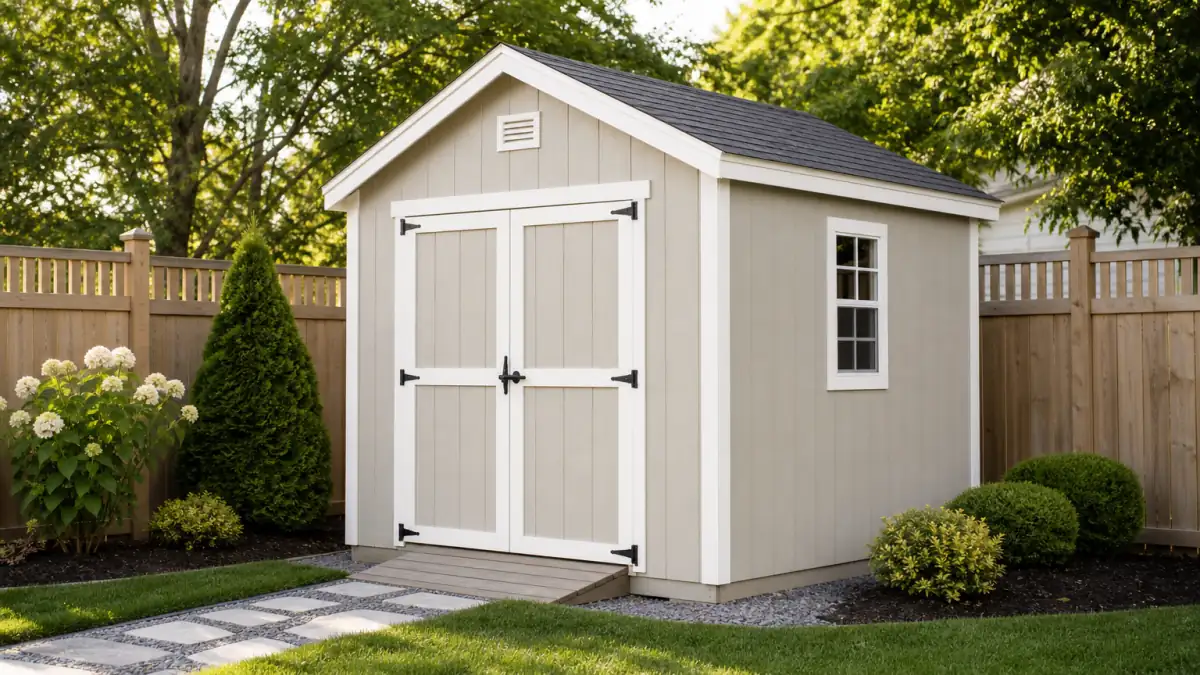
Shed Painting in Haddonfield
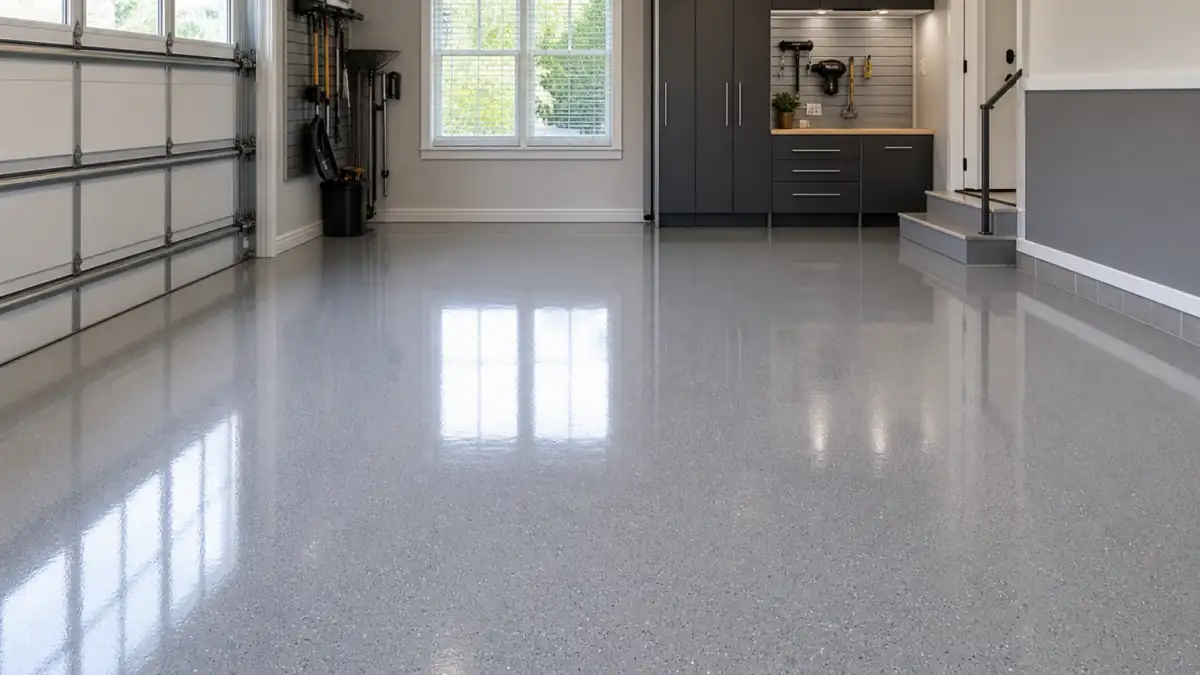
Epoxy Floor Coating Systems in Haddonfield
Straight answers
Haddonfield Painting Questions
Do I need approval to change my house color in the historic district?
No. The borough's Historic Preservation Commission states that it does not regulate building color, so a new paint color needs no HPC application. Replacing siding or roofing, or changing the exterior appearance in other ways, does need a Certificate of Appropriateness. If your project goes beyond paint, check with the zoning office before work starts.
Can you paint cracked plaster walls in an older Haddonfield house?
Cracked plaster is normal in houses this age. We clean out loose material, fill and tape the cracks, skim where needed, sand and prime. Then the finish coats go on. Badly loose plaster that has pulled away from the lath may need more than paint prep, and we will tell you if we see that.
Do you paint original wood windows and shutters?
Old wood sash and paneled shutters need careful scraping, sanding and a primer on any bare wood. We brush on exterior enamel and keep sash moving so windows do not get painted shut. Shutters are easier to do well off the house, so we take them down when the hardware allows.
Is there a best season to paint a clapboard house under Haddonfield's street trees?
September and early June are our favorite months here. Tall street trees keep porches and north walls shaded, so clapboard there dries slowly after rain and holds morning dew longer. We start on the sunny sides early in the day and move to shaded walls once they are dry to the touch. Summer work is fine, but humid stretches mean more waiting between coats.
Can you paint built-ins and stair rails in a 19th century house?
Yes, and they deserve care. Built-in bookcases and cabinets usually have old oil paint, so we clean, sand and use a bonding primer before an enamel finish. Stair rails get handled every day, so we take them down to a smooth surface and apply a hard wearing coating. Balusters are brushed one at a time. We mask the treads so the wood floor stays clean.
What happens during an estimate for a historic district home?
We walk the outside first and look closely at the cornices, brackets, sash and porch floor, noting where paint has failed and where the wood is soft. Inside, we check plaster for cracks and old wallpaper. You get a written scope that lists each surface, the prep it needs and the products we plan to use. Nothing is rushed, because older houses hide surprises.
Nearby Towns